Of the Cannes Lifestyle
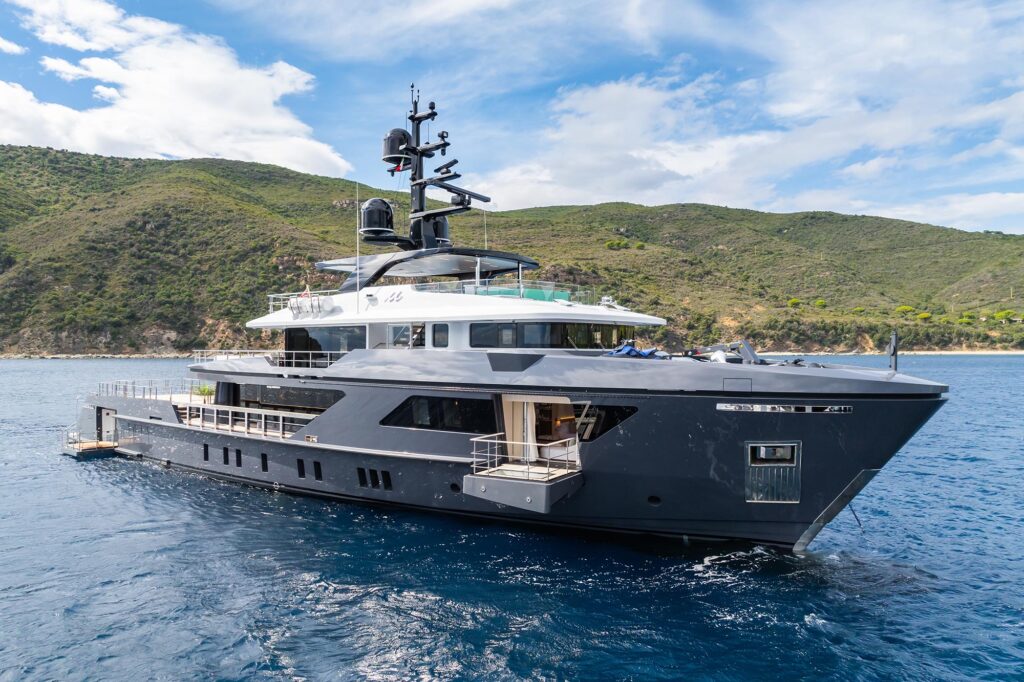
For those who know Cannes well, boating is not treated as a one-off experience or a holiday indulgence. It becomes part of the lifestyle — a natural extension of how time is spent, how the city is navigated, and how balance is maintained between intensity and calm. Over time, the sea stops being a backdrop and starts functioning as an essential space.
Cannes is a destination defined by contrast. At certain moments of the year, it is vibrant, crowded, and highly structured, shaped by international events, packed schedules, and constant movement. At other times, it is relaxed, elegant, and slow. Boating provides continuity between these extremes. Regardless of what is happening ashore, the sea remains open, fluid, and predictable.
One of the key reasons boating becomes essential is the freedom it offers. On land, time is managed through reservations, traffic patterns, and availability. On the water, time is shaped by preference. Departure, pace, and destination are flexible. Swim stops are not limited by crowds, and moments of rest are not dictated by external schedules. This autonomy restores a sense of control that is often lost in busy destinations.
The lifestyle aspect of boating is also social. Time on board creates a unique environment for interaction — relaxed but refined, informal yet intentional. Conversations unfold naturally, without interruption. Hosting feels effortless, whether among family, friends, or professional contacts. The boat becomes a shared space that encourages connection without performance.
During major international moments such as the Cannes Film Festival, Cannes Lions, or the Marché International des Professionnels de l’Immobilier (MIPIM), this social dimension becomes even more relevant. While the city’s public spaces are saturated, the sea offers discretion. Boating allows guests to remain engaged with the event calendar while retaining access to privacy and calm. It creates a rhythm that prevents fatigue and overstimulation.
For repeat visitors, boating also introduces routine. Days on the water punctuate time spent ashore, creating balance across longer stays. A morning cruise, a swim around the Lérins Islands, or a late afternoon return to port becomes part of how Cannes is experienced, not an exception to it. This rhythm defines a more sustainable way of enjoying the destination.
There is also an emotional element. The sea offers perspective. From the water, Cannes feels more measured, more proportional. The intensity of the city softens, replaced by open horizons and uninterrupted views. This shift affects how guests perceive both the destination and their time within it.
Importantly, boating does not remove guests from Cannes — it enhances their relationship with it. By offering space, flexibility, and continuity, the sea allows guests to engage more selectively and more meaningfully with the city. They participate without being overwhelmed.
For those who return year after year, boating becomes indispensable. It is not an activity scheduled into the stay; it is a framework around which the stay is organised. In Cannes, understanding the lifestyle means understanding the water. And once that perspective is adopted, the destination reveals its most enduring qualities.